AI, Privilege, and the Limits of Confidentiality After United States v. Heppner
March 2026
Firm InsightsClients increasingly turn to tools like ChatGPT and Claude to think through legal exposure and sketch out defenses before ever speaking with counsel. That instinct is understandable and, as a recent federal decision illustrates, risky.
On February 17, 2026, Judge Jed S. Rakoff of the Southern District of New York ruled in United States v. Heppner that a criminal defendant's self-directed conversations with Claude were not protected by attorney-client privilege or the work product doctrine. After learning he was a target of a securities fraud investigation, the defendant used Claude on his own initiative to prepare roughly thirty documents outlining possible defense strategy, later sharing them with his lawyers. The government seized the documents by search warrant, and the court held they were never privileged in the first place.
The privilege failed for several reasons. The court observed that Claude is not an attorney, so no attorney-client relationship existed to protect in the first place. It also pointed to the platform's own privacy policy, which reserves the right to disclose user data to third parties, including "governmental regulatory authorities," language the court found defeated any reasonable expectation of confidentiality in what Heppner typed into the platform. And critically, the court looked to the client's purpose in using the tool, not his later act of sharing the output with counsel, in assessing whether privilege could ever have attached in the first place. As the court put it, a non-privileged document doesn't become privileged simply by moving from the client's desk to the lawyer's.
One critical distinction going forward is who directs the AI use. Client-initiated use, exactly what happened in Heppner, may not be privileged and may be subject to subpoena or seizure. Counsel-directed use, where a lawyer instructs a client to use a specific tool for a specific purpose within the representation, may fare better, drawing on the same doctrine that lets lawyers use accountants or interpreters as protected agents.
A few practical takeaways: treat any public AI tool as public, assume nothing entered into it is confidential; never use AI to "prep" for a conversation with your lawyer; if AI could help your matter, let counsel direct and document that use rather than initiating it yourself.
This advisory is for general informational purposes only and is not legal advice. It does not create an attorney-client relationship. Clients with specific questions should consult counsel.
About Sullivan & Triggs, LLP
Sullivan & Triggs, LLP is a Santa Monica–based law firm with a litigation practice spanning entertainment law, complex civil litigation, and arbitration.
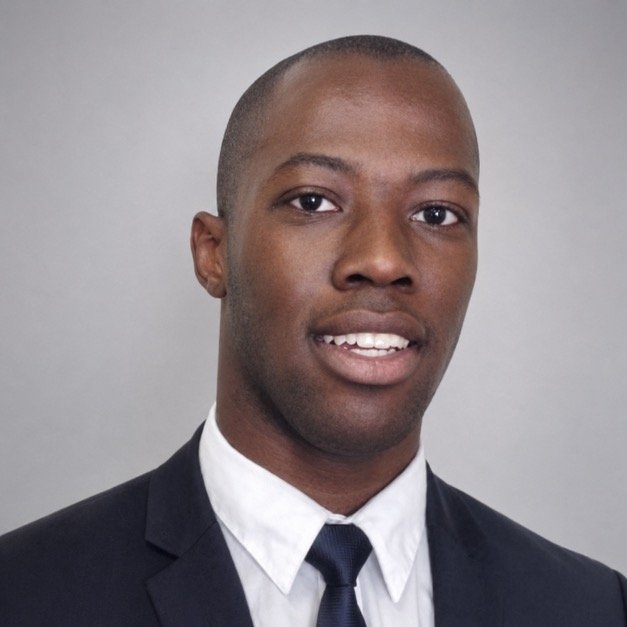
Jean Ralph Fleurmont
Senior Associate
Trial attorney handling high-stakes cases across the nation in complex civil litigation, entertainment law, and white collar criminal matters.
jrfleurmont@sullivantriggs.com
(310) 442-2336

Courtney Elgart
Partner
Represents clients in high-value commercial disputes, litigation, and arbitration, with multiple multi-million-dollar arbitration wins.
celgart@sullivantriggs.com
(310) 272-7732
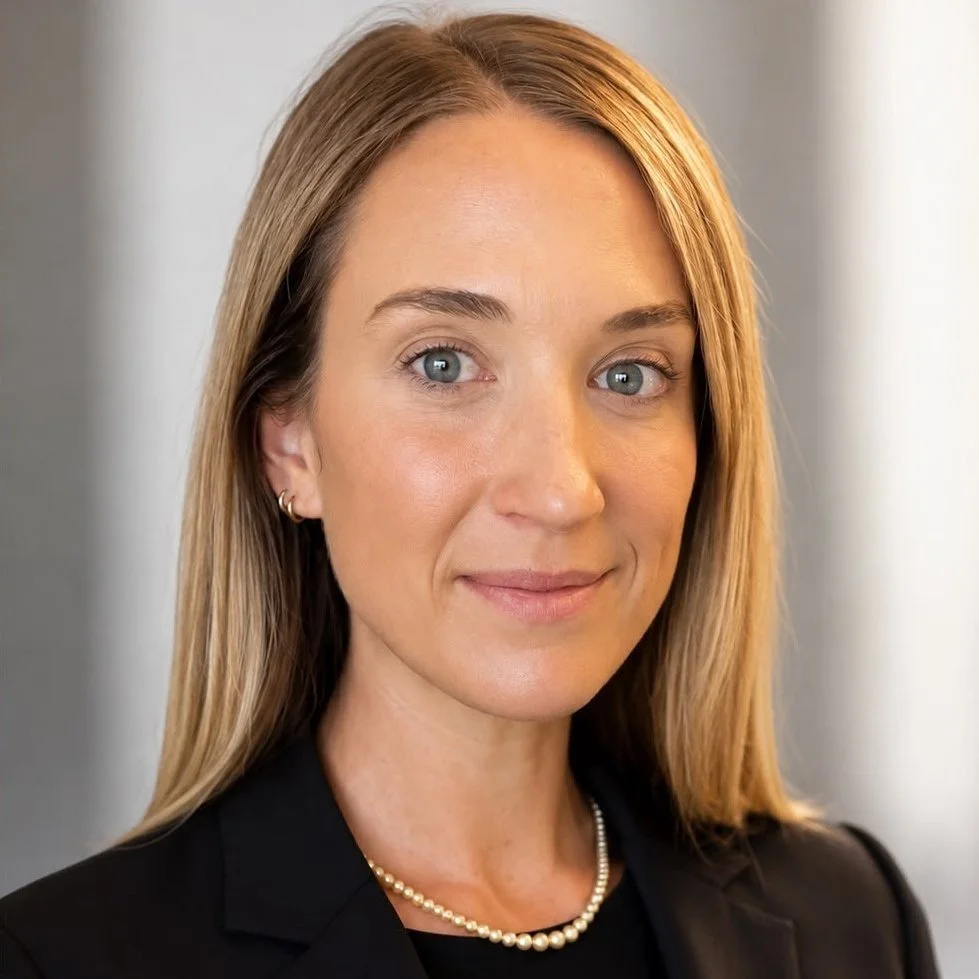
Stephanie Command
Senior Associate
Trial and appellate litigator representing clients in entertainment, banking, and politics, with dozens of victories at trial and on appeal.
scommand@sullivantriggs.com
(310) 442-2334